Bamboo Timber vs. Hardwood vs. Composite - Materials Guide
Which decking material is best for Singapore? Compare bamboo, hardwood, and composite for durability and eco-friendly benefits in this comprehensive guide.
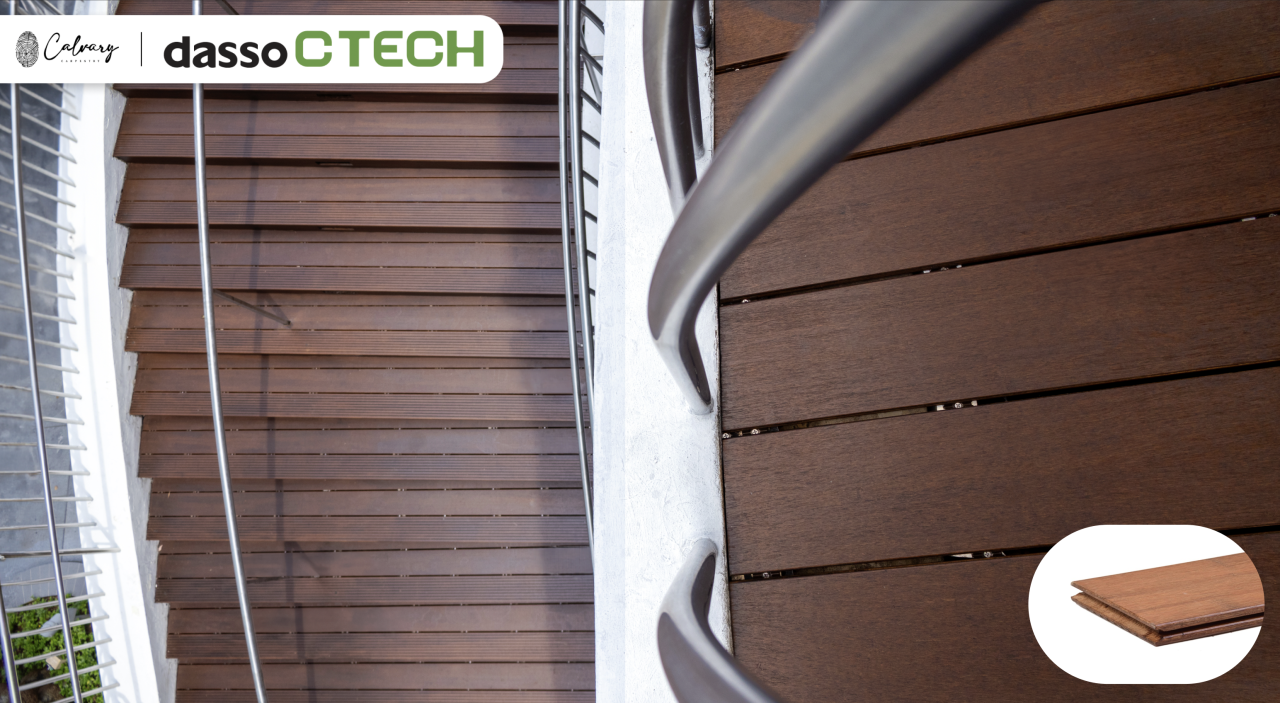 Dasso Ctech in Vivocity, installed and photo taken by Calvary Carpentry.
September 19, 2023
When it comes to wood building materials, a few options stand - Timber and Wood Plastic Composite (WPC), but have you ever considered reconstituted bamboo timber? In this article, we'll introduce you to the up-and-coming sustainable material and discuss how it compares to natural timber and composites. We will offer a comprehensive outlook on the production process, sustainability, applications and it's technical data.
Understanding Timber: Natural vs. Composite
When we think of timber, it's often Teak, Oak, or Chengal that comes to mind. These hardwood timbers are derived from trees, typically deciduous ones with broad leaves, making them natural and organic materials.
In contrast, composites are synthetic materials crafted from a blend of components, including wood fibers, plastics, and additives. They are processed to create composite timber/wood.
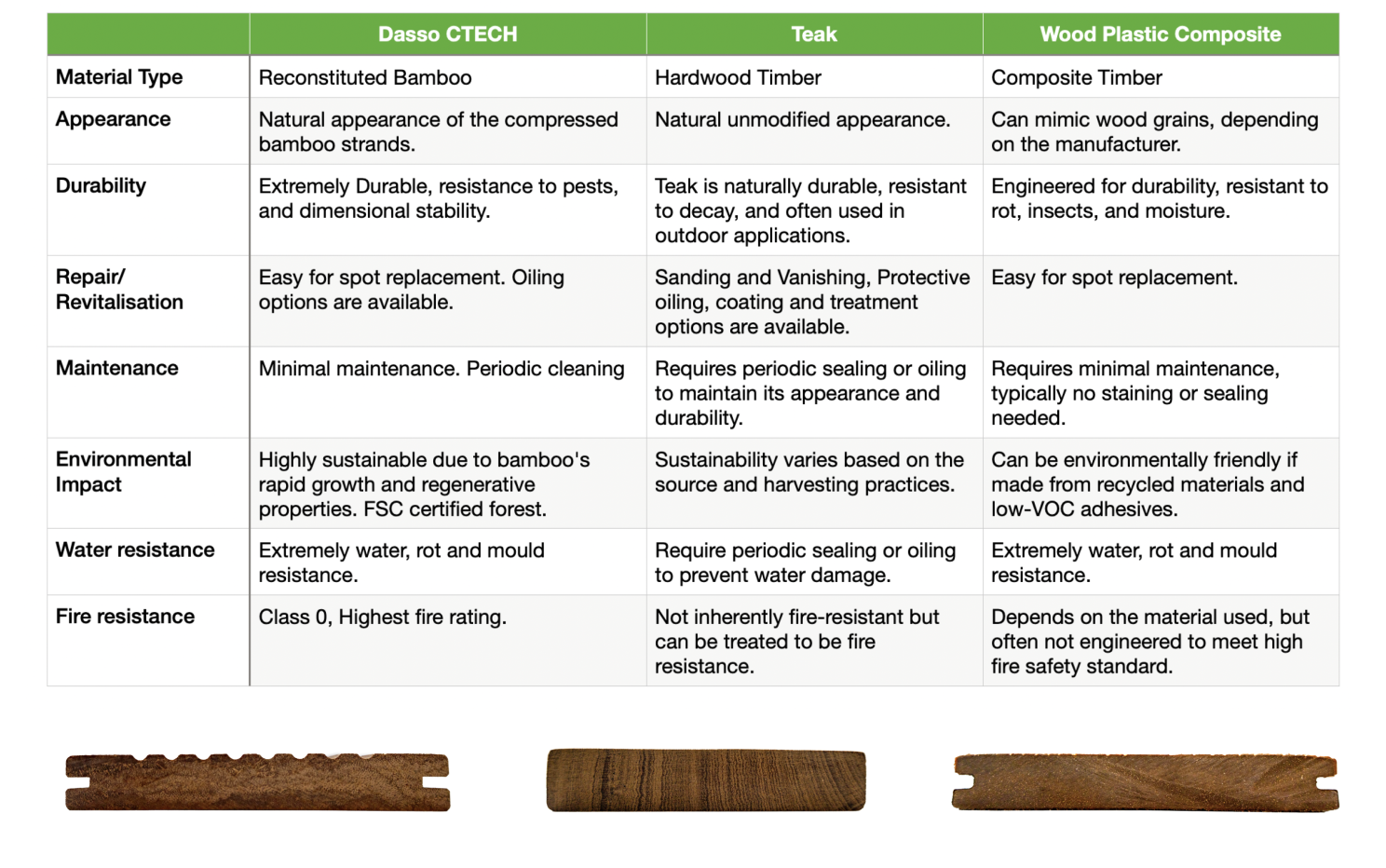 Reconstituted Bamboo Timber vs. Teak vs. Composite: A Comprehensive Guide
Reconstituted Timber: A Blend of Nature and Innovation
Reconstituted timber shares similarities with composites, as it combines organic materials with phenolic resin. The exact composition can vary depending on the manufacturer.
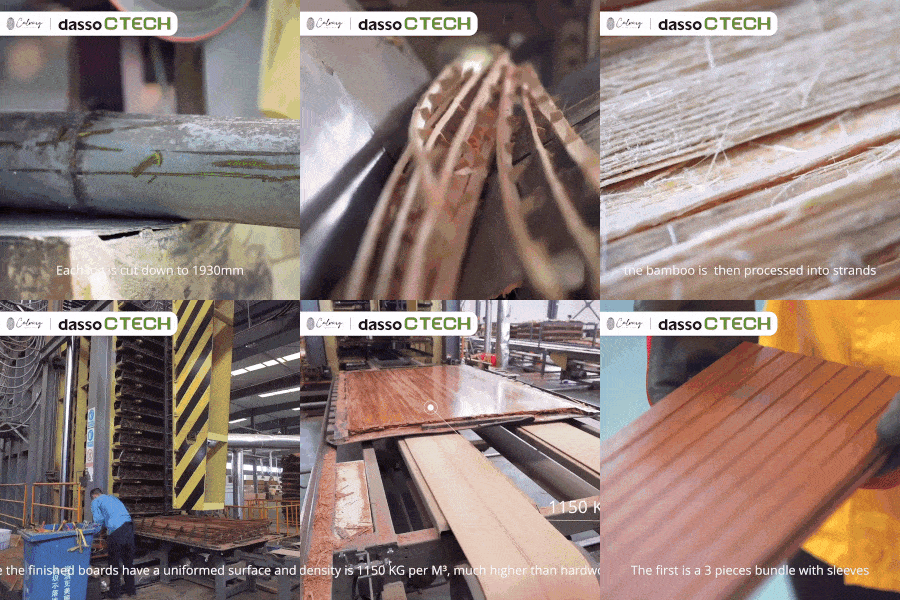 How reconstituted bamboo timber is made
Now, let's take a closer look at dasso group Ctech, a remarkable example of reconstituted bamboo timber:
Dasso Ctech: A Sustainable Innovative Material
- Material Type: Reconstituted Bamboo
- Appearance: Retains the natural appearance of compressed bamboo strands.
- Durability: Exceptionally durable, resistant to pests, and dimensionally stable.
- Repair/Revitalization: Easily spot-repairable, with coating.
- Maintenance: Requires minimal upkeep, with periodic cleaning.
- Environmental Impact: Highly sustainable due to bamboo's rapid growth and regenerative properties. Sourced from FSC-certified forests.
- Water Resistance: Extremely resistant to water, rot, and mold.
- Fire Resistance: Achieves Class 0, the highest fire rating.
- Application: Outdoor and Indoor, such as decking, flooring, cladding and panels.
 Timelapse of bamboo across a year.
Why is Bamboo Sustainable?
Compared to hardwood that matures in 15–20 years, Bamboo is ready for harvest in just 5 years! This makes bamboo a very sustainable renewable resource, from FSC certified forest.
Teak: A Timeless Classic
- Material Type: Hardwood Timber
- Appearance: Natural, unmodified appearance with rich color and texture.
- Durability: Naturally durable, resistant to decay, and commonly used in outdoor applications.
- Repair/Revitalization: Options include sanding, varnishing, protective oiling, coating, and treatments.
- Maintenance: Requires periodic sealing or oiling to maintain its appearance and longevity.
- Environmental Impact: Sustainability varies based on sourcing and harvesting practices.
- Water Resistance: Requires periodic sealing or oiling to prevent water damage.
- Fire Resistance: Not inherently fire-resistant but can be treated to achieve fire resistance.
- Application: Outdoor and Indoor, Even Furniture.
Wood Plastic Composite (WPC): Versatile and Economic Choice
- Material Type: Composite Timber
- Appearance: This can mimic wood grains, depending on the manufacturer.
- Durability: Engineered for toughness, and resistance to rot, insects, and moisture.
- Repair/Revitalization: Easily spot-repairable.
- Maintenance: Requires minimal maintenance, typically no staining or sealing is needed.
- Environmental Impact: Can be environmentally friendly if made from recycled materials and low-VOC adhesives.
- Water Resistance: Generally exhibits excellent resistance to water, rot, and mold.
- Fire Resistance: Varies based on materials used, often not engineered for high fire safety standards.
- Application: Decking, Benches, and planter boxes but not fences.
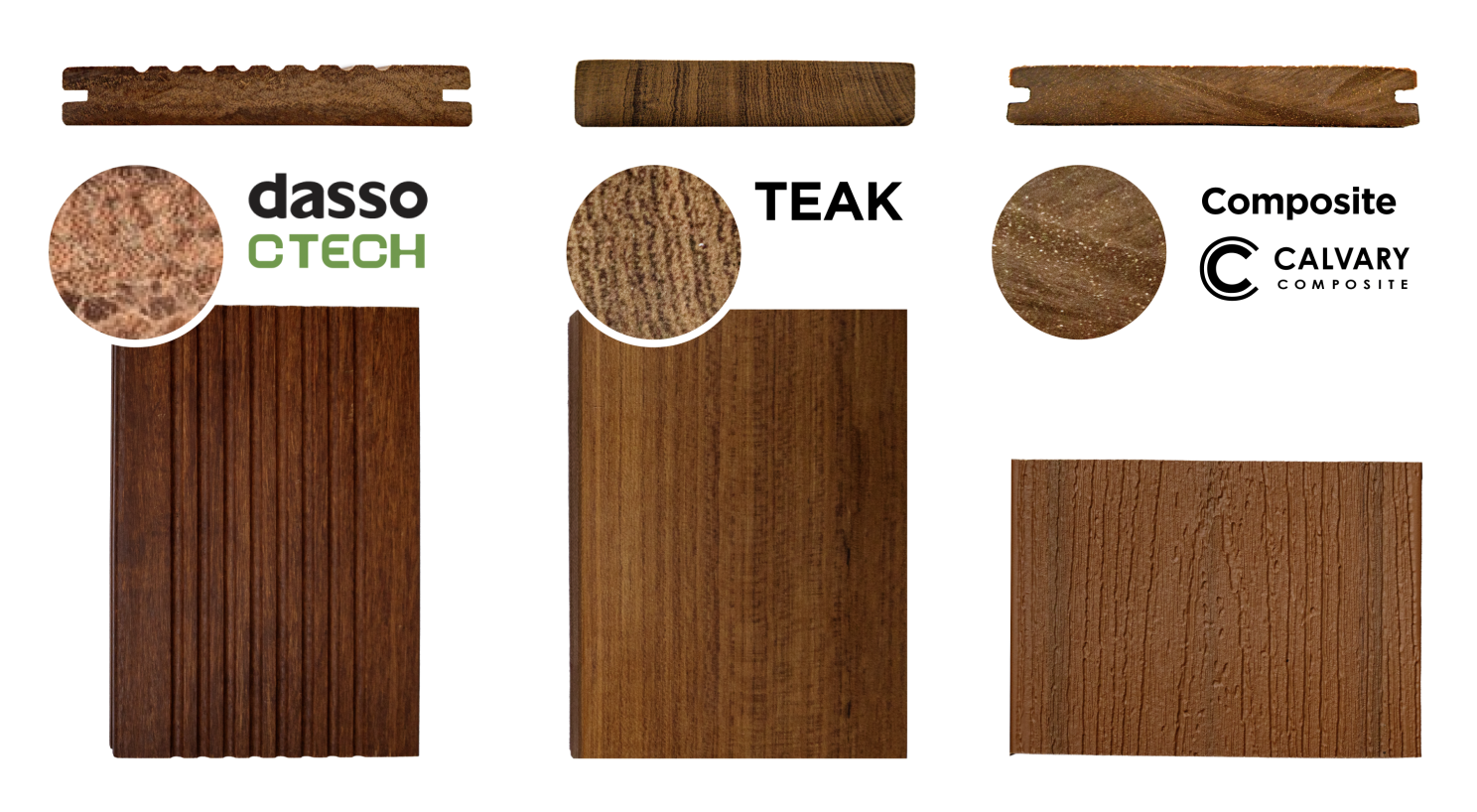 Reconstituted Bamboo Timber vs. Teak vs. Composite: Grain Comparison
Conclusion: Making Informed Choices
In summary, reconstituted bamboo timber is an excellent choice for sustainable construction projects requiring high fire resistance while retaining a natural bamboo look. It's suitable for both outdoor and indoor applications, including decking, cladding, flooring, and panels.
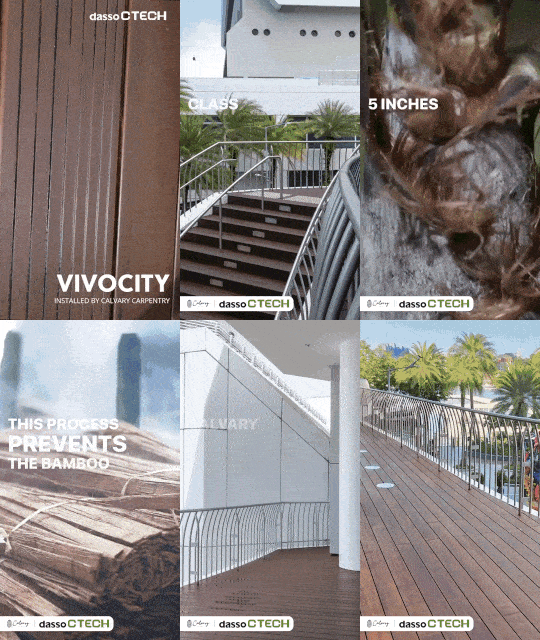 A short reel of VivoCity dasso ctech.
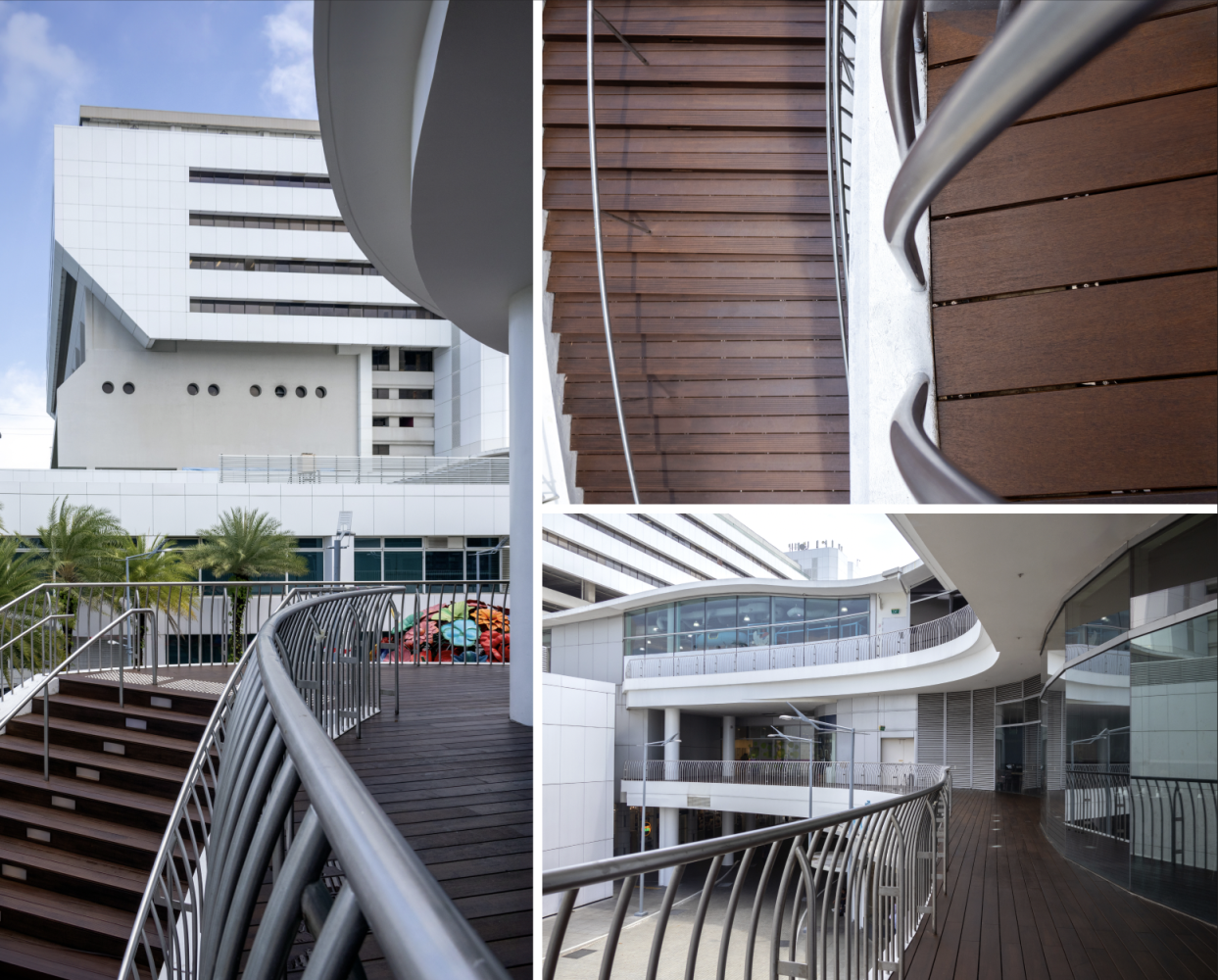 Dasso Ctech installed by Calvary Carpentry in Vivocity Singapore.
Teak remains a classic choice for projects where durability and timeless aesthetics are paramount. Its resistance to water and smooth texture after sanding and sealing makes it a top contender.
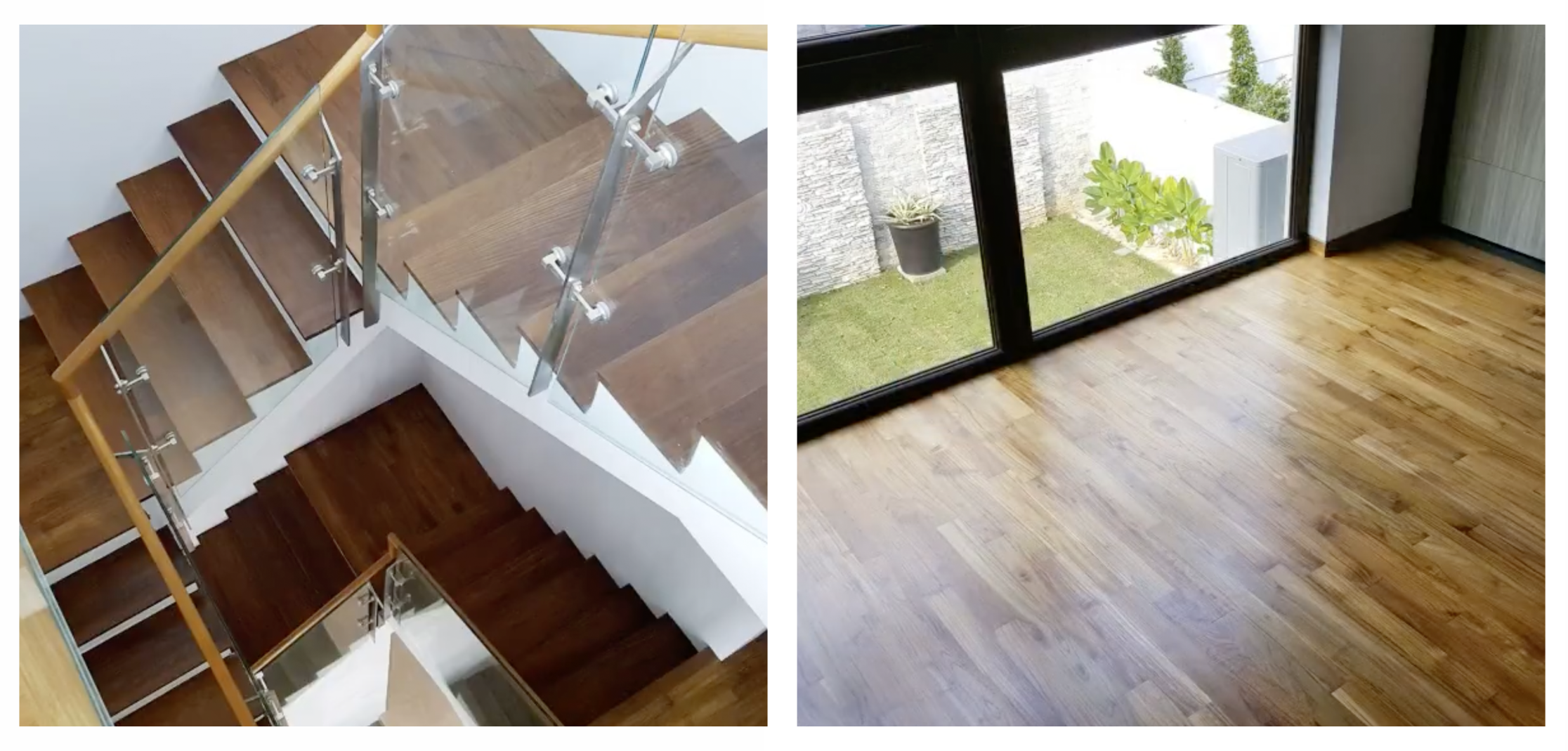 Teak Flooring & Nyatoh Handrail
Composites offer economic versatility, making them ideal for high-traffic areas. However, they may not match the durability of some timber in extremely hot climates. Nevertheless, they provide a sustainable alternative to high-VOC vinyl materials.
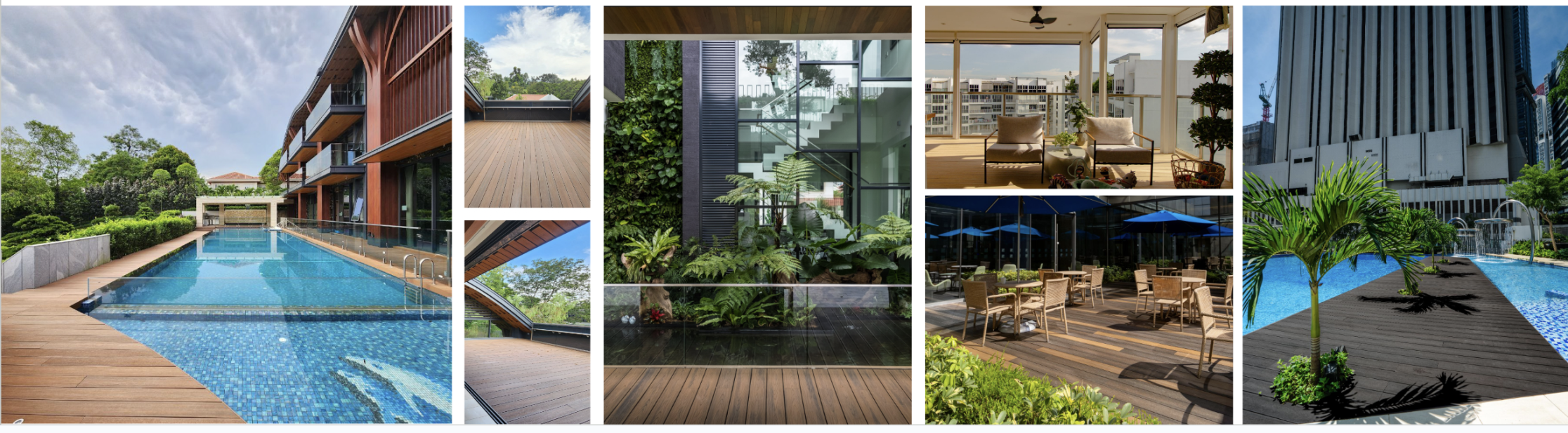 Calvary Composite, indoor and outdoor.
In your construction journey, understanding the unique qualities of these materials will empower you to make informed decisions based on your project's requirements, budget, and environmental values.
If you ever require assistance in choosing the right material, please don't hesitate to contact us. We provide complimentary timber consultations to assist you.